
Build an approval‑ready credit profile
Understand what’s driving your credit decisions, identify items that may be unfair or inaccurate, and take a structured next step toward stronger approvals and better terms.
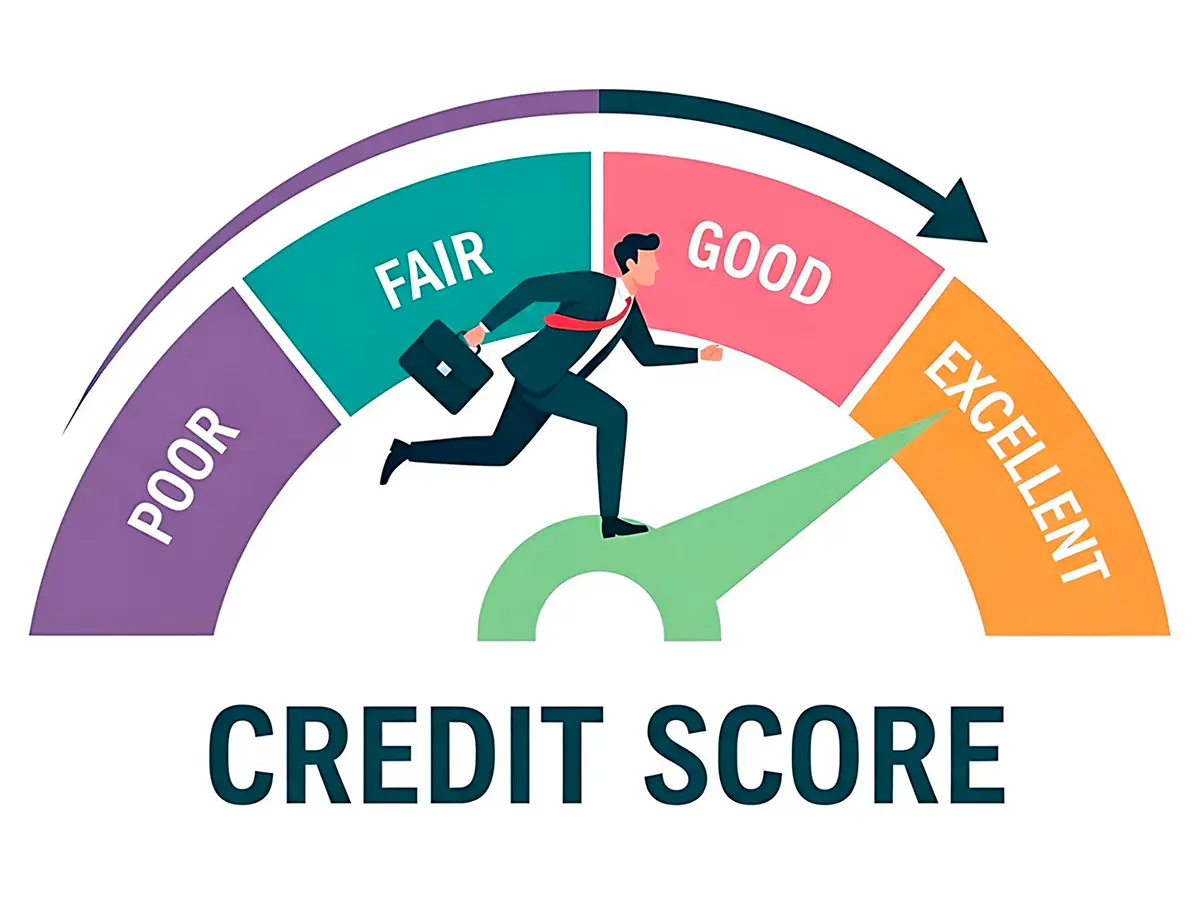
Built around established U.S. credit reporting practices and dispute procedures under the Fair Credit Reporting Act (FCRA). No unrealistic promises—just clarity, documentation, and structured credit improvement.
Unlock more options
Choose the outcome you care about. We’ll outline what improves it—and what to watch for—so you can move forward with confidence.
Your path to stronger credit
A stronger credit profile can mean better approval odds, improved loan terms, and more financial flexibility. Get a clear, no-fluff overview of what credit improvement can help you achieve — then take the next step when you're ready.
Credit decisions in the U.S. are typically influenced by payment history, utilization ratios, account age, recent inquiries, and the accuracy of reporting across major credit bureaus.
Even small inconsistencies can affect lending algorithms. A structured credit improvement approach focuses on verified data, responsible usage patterns, and consistent financial behavior.
*Results vary. This page does not guarantee outcomes.
How it works
A straightforward workflow used by reputable credit‑support programs: review, challenge what’s questionable, and build stronger habits while updates are processed.

Review your starting point
Clarify your goal and look at what’s currently affecting approvals and terms.

Identify what can be challenged
See what information is typically needed, what to expect next, and how the workflow usually looks.

Move forward
Continue to explore available options and take the next step toward better credit outcomes.
360 credit repair without the guesswork
What 360 credit repair really means
Think of it as a full-circle plan: identify what's hurting your score, challenge what's inaccurate, rebuild what's thin, and maintain what works. A well-run approach maps every negative item to a clear action, tracks deadlines, and explains outcomes in plain language. Transparency is the backbone - what's being disputed, why it matters, and what happened next.
How the process typically works
- Audit your reports. Pull Experian, Equifax, and TransUnion. Note duplicates, stale negatives, balances, and limits.
- Prioritize. Time-sensitive issues (like pending collections) first; accuracy errors next; then utilization and thin-file fixes.
- Dispute strategically. Inaccuracies are challenged with documentation and specific citations. Not every item can be removed, but many can be corrected.
- Rebuild. Add positive data: on-time payments, lower utilization, secured or co-signed lines if appropriate.
- Monitor and adjust. Each 30 - 45 day bureau cycle, log outcomes and update the plan.
A small real-world moment: on a Tuesday morning, you receive a notification that a paid collection still shows a balance. You snap a photo of the payoff letter, approve the dispute from your phone, and finish your coffee - no time lost.
What to look for in a provider
- Upfront, itemized pricing. Monthly or flat fee, stated clearly. No surprise "processing" add-ons.
- Live dispute logs. Each letter or digital submission recorded with date, target bureau, and reason code.
- Plain-language portal. A dashboard that shows your negatives, utilization, and milestones without jargon.
- Easy cancellation. Leave anytime, ideally with prorated billing. Guarantees should be realistic, not magical.
- Education built in. Short guides on utilization, payment sequencing, and budgeting so gains actually stick.
- Security and consent. Encrypted document uploads and documented permissions to act on your behalf.
You may not need daily updates, but consistent weekly logs keep you informed without noise.
Red flags to avoid
- "Pay-per-delete" promises or outcome guarantees.
- Vague language about "secret tactics."
- Pressure to dispute everything, even accurate debts.
- No initial audit, just mass-letter blasts.
- Refusal to explain your rights under the FCRA and FDCPA.
Convenience that respects your time
Look for digital intake, e-sign authorizations, and tracked mail or electronic disputes. Automations should surface tasks you can finish in minutes: verify addresses, upload statements, approve targeted challenges. Results usually follow bureau cycles - expect meaningful movement over 60 - 120 days, sometimes sooner, sometimes a bit longer.
Cost and value
Most plans bill monthly or by tier. Fair pricing includes the audit, disputes, rebuild guidance, and ongoing monitoring. Ask what's included, what's extra, and how refunds work if milestones aren't met. The real value is structure plus clarity: less guesswork, fewer missteps, and a plan you can follow.
DIY or guided help?
- DIY fits if you're organized, comfortable citing the FCRA, and have a short list of clear errors.
- Guided help fits if you juggle many negatives, mixed-file issues, or limited time - and you want documented steps and support.
Your next sensible step
Pull your three reports, list each negative with the date and balance, and mark what looks inaccurate. Decide whether you want a partner to manage the pacing and paperwork. With honest timelines and visible logs, 360 credit repair becomes straightforward - and conveniently, you stay in control the entire way.
---- Contact us: www.credit360.biz 1-866-8404646 . . . . . #credit360 #credit #creditrepair #credithero #goodcredit #jordan #priorities ...
Contact 360 Credit Consulting and find out how our credit repair company can help you fix your credit and achieve your goals. Call us today.
Credit360 Credit Repair is the company that puts our money where our mouth is and only charges a fee when items are deleted, removed, or repaired from your ...
Frequently asked questions
A clear next step — without the guesswork
See what’s impacting approvals and what may deserve a closer look.
Understand how disputes are structured and what documentation matters.
Improve utilization, consistency, and long-term credit stability.
See what improving your credit could change
Take a structured next step based on your current profile — and decide with clarity.